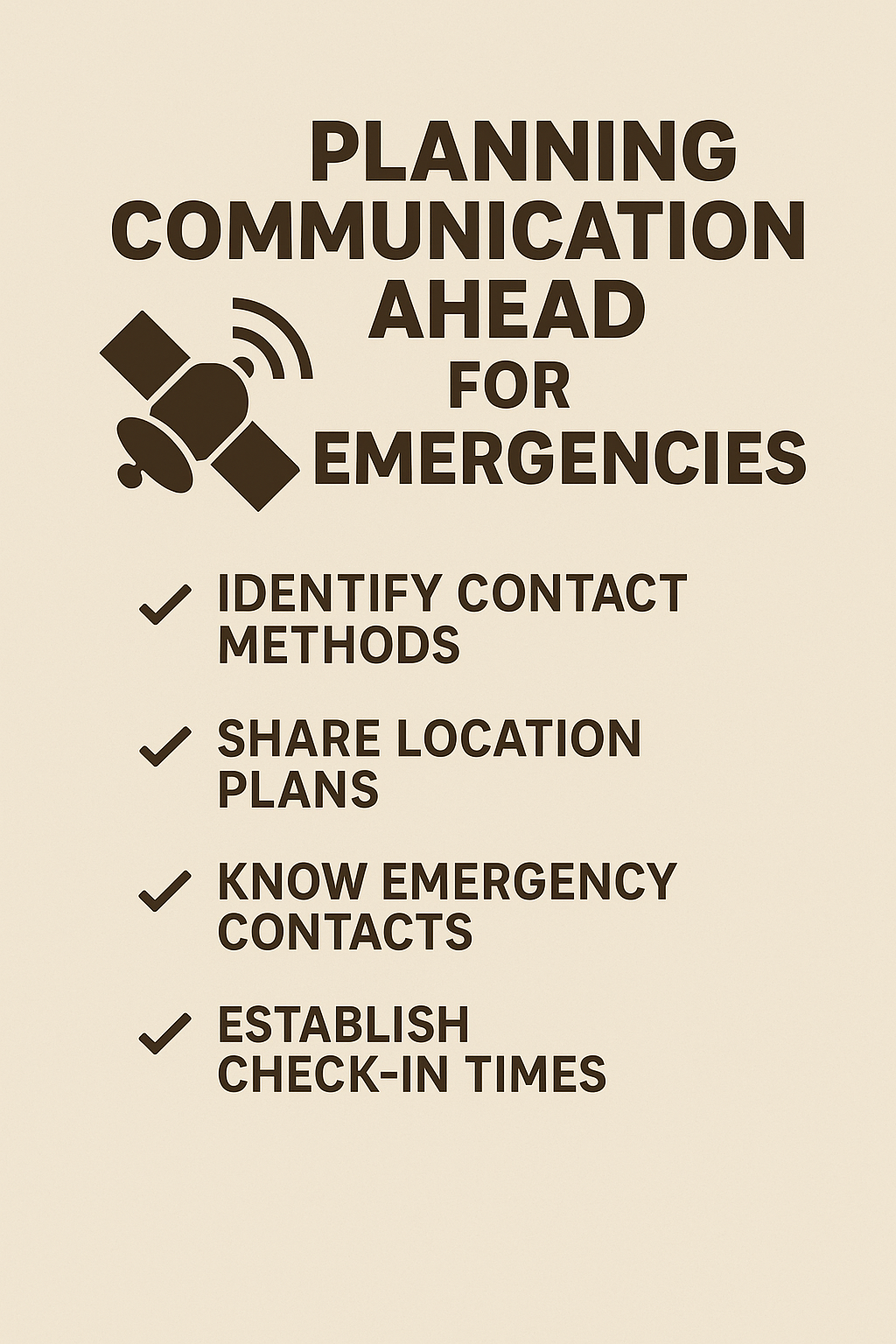

“What if?” That is the question that we should all be asking. What if communications break down due to some unforeseen event? What can we do as amateur radio operators to ensure that information continues flowing? That’s a lot of questions already and this post is just beginning. It’s food for thought. Something to chew on. Something to get the cogs moving and gears turning. We have a lot to offer if we put our minds to it and find a way to maximize our abilities and resources.
Think about Hurricane Helene for a minute. Many people in many places lost all communication in the aftermath of that historic storm. Government agencies lost communications, citizens lost communications, whole communities were cut off from the outside world for weeks. Amateur radio was one of the few methods of communication that was still able to get traffic in and out of the area, but it wasn’t the only method. Another good example is Winter Storm Fern earlier this year. Huge swaths of the eastern US were left without power, heat and communications due to the shear expanse of that ice storm.
Everybody thinks of ARES as the knight in shining armor when government agencies have a communications failure. The truth of the matter is that modern public service communications infrastructure doesn’t fail as often as it used to. Agencies spend countless hours and dollars designing hardened systems and implementing redundancies. In other words, modern communications systems are engineered to not fail. No system is perfect and failures will continue to happen at a less frequent rate. This resiliency puts ARES and other EmComm groups in a bit of a strange situation. We often find ourselves in limbo waiting for the phone call that doesn’t come, or waiting for the deployment that never happens. As with the modern communications system, the modern emergency management environment is much different than in decades past, but that’s for a different conversation.
Now let’s get back to the community aspect of this post. What can we do as amateurs to provide EmComm in this new era? Have you ever heard of a PACE plan? A PACE plan is a military concept that has found its way to the civilian world. Primary, Alternate, Contingency, Emergency. If you don’t have a PACE plan, you should consider making one. You can have a PACE plan for communication, food, water, travel, so on and so forth. This post focuses on communications. Primary means is most likely cell phones. What’s the alternate? Do you have wifi? Maybe wifi calls and text are the alternate. Maybe you don’t have internet. Now what is the alternate? You see how this works now. Build a PACE plan for yourself and your household. Be sure everybody knows what the plan is, how it works and when to move to the next option.
Now take it a step further and think about your community. If phones and internet are out, how can we best serve our communities? Do you have Starlink? If so, you can set up and access point for your neighborhood to come and use your resources to get texts, calls and emails in and out. What about amateur radio? Are your neighbors licensed? Probably not, but you are. work your abilities into the community plan and provide your station to pass traffic for your neighbors. Be sure to remind them to make their own family communications plans so they know who to and by what means you can pass their messages. Winlink is a perfect tool for this. Batch upload messages then batch download and distribute back to the original sender as you get them. How are your Winlink skills? Now is as good a time as ever to brush up, practice and hone those skills for when they’re needed. How can you stay in touch with your neighbors to know if they are okay or if they need anything after a major event? Phones again are the first option, but say those are broken… what’s next?
In comes FRS, MURS, GMRS, mesh. FRS requires no license and you can buy the blister-pack radios at Walmart. They’re low power UHF simplex walkie-talkies and they’re great for family and group comms. GMRS is the big brother to FRS. More power and now we can upgrade antennas, add base stations up to 50 watts and even talk on repeaters. Yu do need a license for GMRS, but there’s no test. Just sign up for an FCC FRN number, apply for the license and pay the $35 dollar fee. The license is good for 10 years and covers your immediate family under your license. Could your community utilize GMRS to keep in touch? Absolutely! You could even put up a community GMRS repeater to connect neighborhoods or even towns.I also mentioned MURS. This is a license-free VHF option, although the radios are low power and not as easy to acquire as FRS and GMRS.
On to mesh. There are a few different options for mesh. The big two are Meshtastic and MeshCore. MeshCore is a little better at handling traffic on the network and allows for specific routing of messages. Neither of these options require a license. Just pick up some mesh nodes ($30-$100 each), Bluetooth them to your phone and set them up for the regional parameters of your area and text away! These nodes transmit less than 1 watt in the ISM band (915MHz), so range can be limited. In come repeaters. Put up a mesh repeater for your community and not only will the neighborhood benefit, but the entire area will also benefit. Give everyone in your community comms plan a mesh node and with very little training and setup, they can all stay connected. They can even pass messages to you or other amateurs to be sent out via Winlink without ever leaving their homes. See how all of this plays together in the big picture?
In closing, emergency communications doesn’t have to be a service that we volunteer for only governmental agencies. In fact, we should be integrating ourselves into our local communities and letting them know now what we are capable of providing if things go south. Helping the community will in turn help the agencies that we have traditionally offered our services to. Less calls to the 911 center from family members trying to check on their loved ones because we have provided the means for them to be in contact means that our served agencies can better focus on getting the entire area back to a state of normality. Your neighbors will have a sense of comfort knowing that they are not alone and that they can communicate with the outside world if needed. Think about what you can do to make a difference in your communities and neighborhoods. Your efforts will not go unnoticed or unappreciated. I’ll leave a few infographics and documents below that can get you started towards a personal, family and community communications plan. Go forth and do great things.